Atlantic Ocean
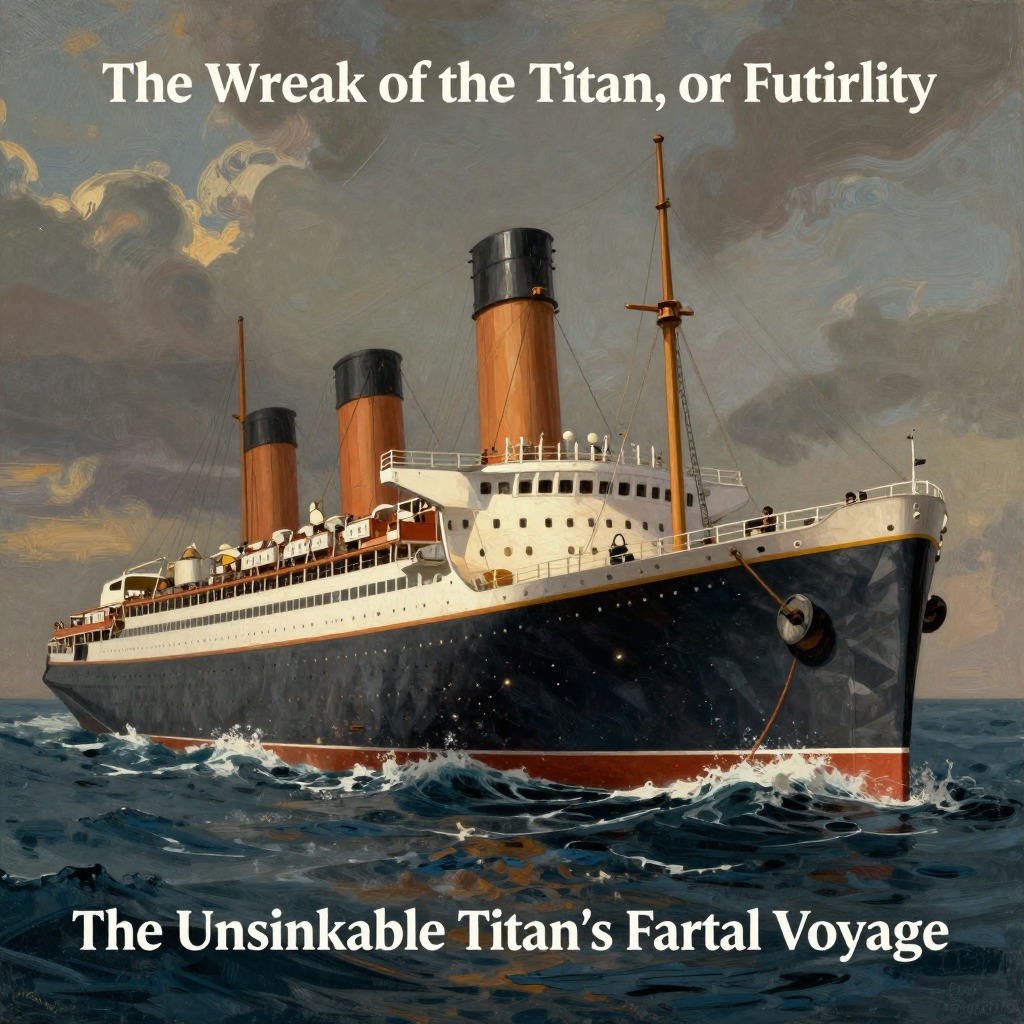
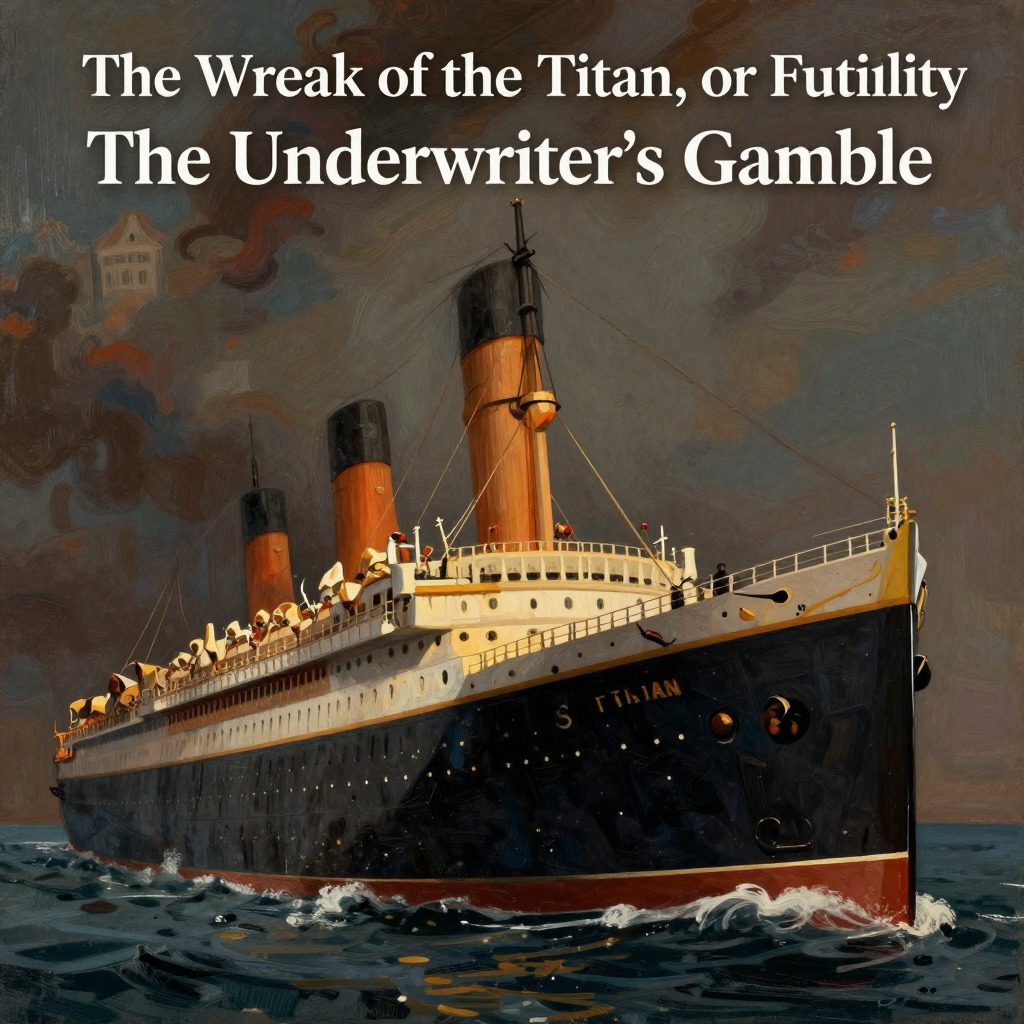
The Atlantic Ocean is the vast, indifferent stage on which the entire drama of Morgan Robertson's The Wreck of the Titan, or Futility unfolds. It is the arena where the steamship Titan, hailed as "the largest craft afloat and the greatest of the works of men," attempts to break speed records on the Northern Lane Route, and where its supposed invincibility is shattered by a collision with an iceberg. The ocean is not merely a backdrop but an active force—its fog, currents, and ice conspire to humble human ambition, making it the true antagonist of the narrative. Its immensity dwarfs the ship and its passengers, reducing their technological pride to insignificance, and its vastness becomes the measure of both human achievement and human folly.
The Ocean as the Stage of Technological Hubris
The Atlantic is first presented as the proving ground for the Titan's engineering marvels. The ship, eight hundred feet long and of seventy thousand tons displacement, is designed to conquer the ocean's challenges, with a sharp dead-rise that improves her behavior in a seaway. The company's rule to steam at full speed in fog, storm, and sunshine, even on the Northern Lane Route in winter, reflects a belief that the ocean can be mastered. The Atlantic's "unconsidered winds, tides, and currents" are dismissed as obstacles to be overcome, and the ship's maiden voyage has already beaten all records. This hubris is embodied in the claim that the Titan is "practically unsinkable," a boast that the ocean will soon expose as hollow.
The Ocean's Fog and the Collision with the Royal Age
The Atlantic's treacherous nature first manifests in the fog that envelops the Titan on its voyage. The ship plunges into a "fog-bank" that is "damp and impenetrable," and despite the vigilance of lookouts, the ocean conceals the sailing ship Royal Age until it is too late. The collision, which cuts the smaller vessel in two, occurs in the darkness and fog, and the ocean's opacity becomes an accomplice to the disaster. The first officer's decision to maintain full speed, justified by the company's rules, turns the Atlantic into a killing field, as the cries of the doomed crew are "hushed by the clamor of the gale." The ocean's indifference is underscored by the fact that the Titan's crew feels no jar, and the ship continues on its course as if nothing had happened.
The Iceberg and the Wreck of the Titan
The Atlantic's most devastating act is the iceberg that destroys the Titan. The ship, rushing through the fog at fifty feet per second, strikes a low beach of ice formed by the recent overturning of a berg. The ocean's cold, hard surface proves more powerful than the ship's steel, and the Titan is lifted out of the sea, heeled over, and crashes down on her side. The disaster is swift and total: the holding-down bolts of twelve boilers and three triple-expansion engines snap, and the ship sinks with nearly all of its three thousand passengers and crew. The ocean swallows the "invincible Titan," and the only survivors are those in Lifeboat No. 24, which makes for the Southern Lane, the highway of spring traffic. The Atlantic, which had been the ship's domain, becomes its grave.
The Ocean as a Place of Ordeal and Isolation
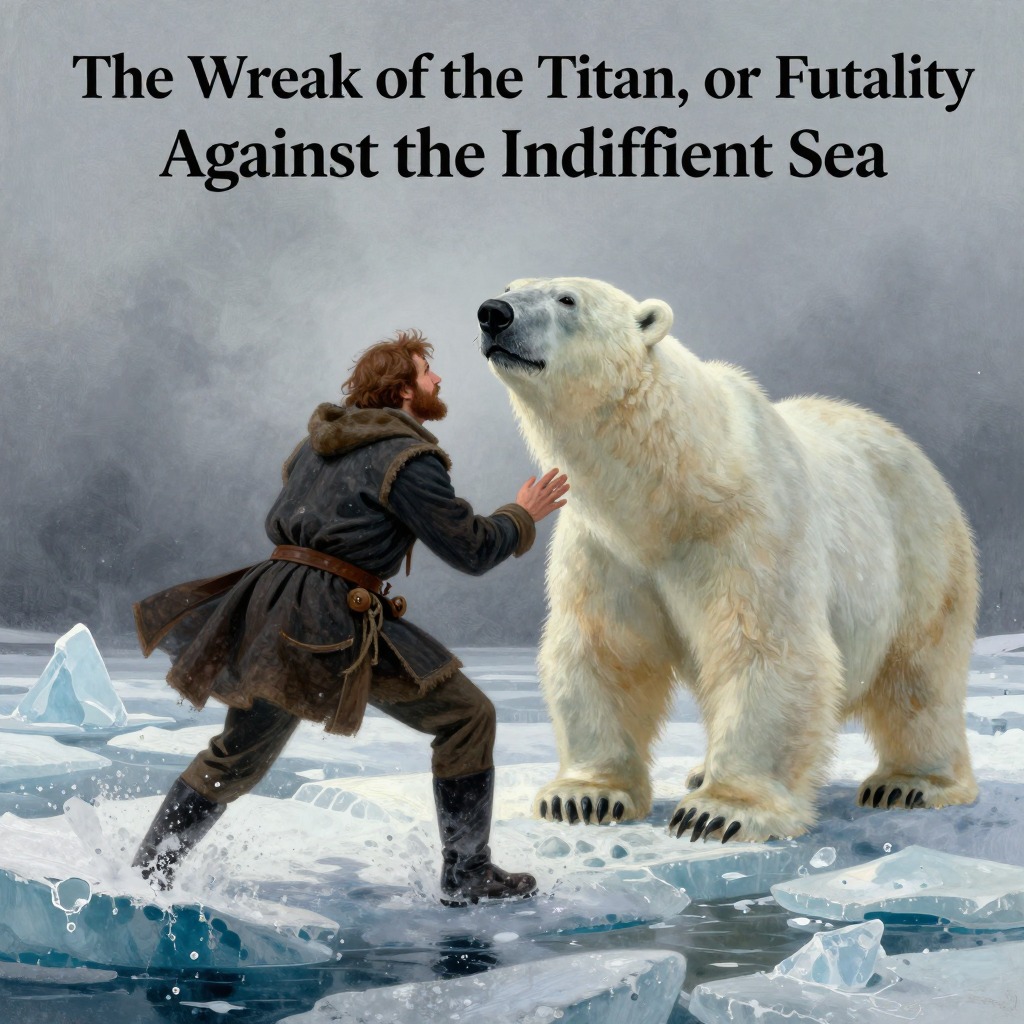
After the wreck, the Atlantic becomes a desolate wilderness for John Rowland and the child Myra. Stranded on a floating iceberg, Rowland faces the ocean's cold, isolation, and the threat of a polar bear. The sea stretches "blue and sailless" to the horizon, offering no hope of rescue. Rowland's ordeal on the ice is a microcosm of the ocean's power: it is a place of extreme cold, where he must fight for survival against a famished polar bear, and where he suffers a broken arm and ribs. The ocean's currents and the absence of fog suggest they are between the Lanes, far from shipping routes, and Rowland's despair is palpable as he contemplates their chances. The ocean's vastness is both a physical and psychological burden, as Rowland's thoughts turn to the woman he loves, lost somewhere in its depths.
The Ocean as a Legal and Moral Arena
The Atlantic also serves as the backdrop for the legal and moral conflicts that follow the disaster. The collision with the Royal Age, which occurred on the high seas, becomes a point of contention at Lloyds, where Captain Bryce and Mr. Austen are accused of concealing the incident. The ocean's jurisdiction is invoked when the magistrate in New York dismisses the charge against Rowland, noting that the offense was committed "on the high seas under the English flag." The Atlantic, as a space beyond national boundaries, complicates questions of responsibility and justice. Rowland's refusal to testify against the steamship company, despite the moral weight of the collision, is a decision made in the shadow of the ocean's indifference to human law. The ocean, which witnessed the crimes, remains silent, and the legal battles are fought in the rooms of Lloyds and the courts of New York, far from the waves that saw the tragedy.
The Ocean's Enduring Significance
The Atlantic Ocean in The Wreck of the Titan is more than a setting; it is a symbol of the limits of human power and the unpredictability of nature. The novella's title, Futility, suggests the ultimate futility of human efforts against the ocean's might. The Titan, with its water-tight compartments and full-speed rule, is a monument to technological optimism, but the ocean's fog and ice expose the fragility of such confidence. The ocean's vastness also mirrors the emotional and psychological isolation of the characters, particularly Rowland, whose love for Myra Gaunt is as unrequited as the ocean is indifferent. In the end, the Atlantic remains, as it always was, a force that cannot be conquered, only endured. Its role in the narrative is to humble the proud, to test the brave, and to remind all who cross it of their mortality.